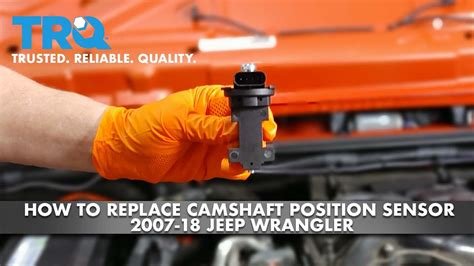
Learn about camshaft position sensors, their symptoms, impact on engine performance, diagnosis, and replacement for optimal vehicle functionality.When it comes to the performance of your Jeep Wrangler, every component plays a crucial role, and the camshaft position sensor (CMP sensor) is no exception. This small yet essential part monitors the position of the camshaft, sending critical data to the engine control module for optimal engine timing. Understanding the symptoms of a faulty camshaft position sensor is vital for any Jeep owner, as ignoring these signs can lead to significant engine performance issues. In this blog post, we’ll explore the common symptoms of a malfunctioning sensor, its impact on your engine’s performance, and how to diagnose and replace it effectively. Whether you’re experiencing rough idling or unexpected stalling, recognizing the problem early on can save you time and money in the long run. Let’s dive into the intricacies of the camshaft position sensor and ensure your Jeep Wrangler runs smoothly.
Understanding the Camshaft Position Sensor
The camshaft position sensor is a crucial component in modern automotive engines, including the Jeep Wrangler. This sensor serves a key role in monitoring the position of the camshaft, which is vital for optimal engine performance. By providing this information, the camshaft position sensor helps the engine control unit (ECU) make real-time adjustments to fuel injection and ignition timing.
The camshaft is responsible for controlling the opening and closing of the engine’s valves, and its position affects the engine’s timing and efficiency. Therefore, understanding how this sensor works and its implications can save you from unexpected breakdowns and costly repairs.
How the Camshaft Position Sensor Works
The camshaft position sensor typically uses either a magnetic or optical mechanism to detect the position of the camshaft. It sends this information to the ECU, which uses it to ensure accurate timing for both fuel delivery and ignition. There are generally two types of camshaft position sensors:
- Hall Effect Sensors: These sensors rely on magnetic fields to determine the camshaft’s position.
- Variable Reluctance Sensors: These utilize electromagnetic induction to read the camshaft’s position.
Knowing when to replace a failing camshaft position sensor is essential, as neglecting it can lead to severe engine performance issues.
Importance of the Camshaft Position Sensor
A well-functioning camshaft position sensor ensures smooth operations of your Jeep Wrangler’s engine. It affects several key areas:
- Fuel Efficiency: Accurate fuel injection timing improves your engine’s overall efficiency.
- Power Output: Proper ignition timing maximizes power generated by your engine.
- Emissions Control: Efficient combustion processes help maintain lower emissions levels.
As with many vehicle components, age or wear and tear can lead to issues with the camshaft position sensor. This underscores the importance of understanding its function and symptoms of a failure to maintain optimal engine performance.
An efficiently running camshaft position sensor is vital for the longevity and performance of your Jeep Wrangler. — Automotive Expert
Common Symptoms of a Faulty Sensor
The camshaft position sensor plays a crucial role in the functioning of your vehicle’s engine. It helps the engine control unit (ECU) monitor the camshaft’s position for optimal performance. When this sensor is faulty, it can lead to a variety of issues. Below are some common symptoms that may indicate a failing camshaft position sensor:
- Check Engine Light: One of the most common signs of a faulty camshaft position sensor is the illumination of the check engine light on your dashboard. This light may trigger due to various related issues.
- Engine Stalling: If the engine unexpectedly stalls while driving, it could signal a malfunctioning sensor. The ECU relies on accurate data from the sensor, and incorrect readings can cause the engine to stop working.
- Difficulty Starting: A faulty sensor may lead to problems when trying to start your Jeep Wrangler. You may experience extended cranking or the engine may fail to start altogether.
- Rough Idling: If your Jeep experiences uneven or rough idling, it could be another symptom of a malfunctioning camshaft position sensor affecting the fuel injection and ignition timing.
- Decreased Engine Performance: A noticeable decrease in power, acceleration issues, or reduced fuel efficiency may indicate a failing camshaft position sensor. The engine may feel sluggish, impacting your overall driving experience.
Being aware of these symptoms can help you diagnose and address issues with your Jeep Wrangler sooner, aligning with your vehicle maintenance practices and ensuring its optimal performance.
Impact on Engine Performance
When it comes to the performance of your Jeep Wrangler, the camshaft position sensor plays a pivotal role. This component is crucial for the engine’s timing and overall operation. A malfunctioning camshaft position sensor can lead to several adverse effects on engine performance, which are outlined below.
| Symptoms of a Faulty Sensor | Impact on Engine Performance |
|---|---|
| Rough idling | Inconsistent timing can cause the engine to run unevenly. |
| Sluggish acceleration | Delayed signal can result in poor throttle response. |
| Increased fuel consumption | Engine may run rich due to improper timing adjustments. |
| Check Engine Light activation | Indicates issues related to engine timing and sensor failure. |
- Engine Performance Degradation: When the camshaft position sensor fails, it can lead to a degradation in engine performance. Without precise timing, the engine may struggle to maintain smooth operation.
- Emissions Issues: A faulty sensor can result in excessive carbon buildup and higher emissions, potentially leading to failed emissions tests.
- Difficulty Starting: In some cases, a malfunctioning sensor can prevent the engine from starting altogether, as the engine control unit (ECU) may not receive the necessary data to allow ignition.
In summary, the impact on engine performance due to a faulty camshaft position sensor can be significant. Immediate attention to symptoms like rough idling or sluggish acceleration can help maintain your Jeep Wrangler’s overall health and performance. Ensuring that this sensor operates correctly is vital for your vehicle’s efficiency and longevity. Always consult with a professional mechanic if you suspect any issues with your camshaft position sensor.
Diagnosing the Issue
When experiencing issues with the camshaft position sensor in your Jeep Wrangler, diagnosing the problem accurately is crucial to restoring optimal engine performance. Here, we will outline the steps you should take to effectively diagnose issues with the sensor.
Visual Inspection
The first step in diagnosing a faulty camshaft position sensor is to conduct a visual inspection. Check the following:
- Wiring and Connectors: Look for any damaged, frayed, or corroded wires. Ensure that the connectors are secure and free from any debris.
- Sensor Placement: Verify that the sensor is properly mounted and has not come loose from its position.
Use of Diagnostic Tools
Advanced diagnostic tools can help pinpoint the issue:
- OBD-II Scanner: Connect an OBD-II scanner to your vehicle’s diagnostic port to check for any stored trouble codes. Common codes related to camshaft position sensors include P0340 and P0344.
- Multimeter Testing: Use a multimeter to check the voltage and resistance of the sensor. Compare the readings with the specifications in your owner’s manual.
Performance Testing
Perform a few performance tests to assess the functionality:
- Engine Crank Test: While cranking the engine, check if the camshaft position sensor outputs a signal. No signal during cranking may indicate a fault in the sensor.
- Idle Quality Check: Monitor the idle quality of the engine. If the engine idles roughly or stalls, this could also point towards a faulty sensor.
Checking Sensor Replacement
If you replaced the camshaft position sensor recently, ensure that:
- The new sensor is compatible with your Jeep Wrangler model.
- It is installed correctly and is firmly connected to its wiring harness.
By methodically going through these diagnostic steps, you can identify whether the camshaft position sensor is indeed the cause of engine issues, and take appropriate measures to resolve it.
Replacing the Camshaft Position Sensor
If you’ve experienced symptoms related to your Jeep Wrangler camshaft position sensor, it’s crucial to understand how to replace this essential component properly. The camshaft position sensor plays a vital role in the operation of your engine by providing critical data to the engine control unit (ECU), affecting timing and efficiency.
Tools You Will Need:
- Socket set
- Torque wrench
- Screwdriver
- Vehicle service manual
- New camshaft position sensor
Step-by-Step Guide:
- Safety First: Ensure the engine is off and the key is removed from the ignition. Disconnect the negative battery terminal to prevent any electrical accidents.
- Locate the Sensor: Depending on your Jeep Wrangler model, the camshaft position sensor can be found near the camshaft or engine block. Refer to your vehicle service manual for the exact location.
- Remove the Old Sensor: Disconnect the wiring harness attached to the sensor. Use your socket set to remove the sensor from its position. Note how the old sensor is installed, as you’ll need to replicate this when installing the new one.
- Install the New Sensor: Place the new camshaft position sensor into position and secure it with the screws. Ensure it fits snugly. Reconnect the wiring harness.
- Reconnect the Battery: Reconnect the negative battery terminal. Make sure everything is secured and properly connected.
- Test the Installation: Start the engine and check for any warning lights on the dashboard. The engine should run smoothly without any issues. If you encounter problems, double-check your connections.
Tips for a Successful Replacement:
Always consult your vehicle’s service manual for specific instructions related to your model. This ensures that you follow procedures that are crucial to your specific vehicle.
By following these steps, you can confidently replace the camshaft position sensor in your Jeep Wrangler. Regular maintenance and timely replacements can help improve your vehicle’s performance and longevity.
Frequently Asked Questions
What is the camshaft position sensor in a Jeep Wrangler?
The camshaft position sensor monitors the position of the camshaft to ensure proper engine timing and performance.
What are common symptoms of a faulty camshaft position sensor in a Jeep Wrangler?
Common symptoms include rough idling, poor acceleration, engine misfires, and difficulty starting the engine.
How can I tell if my Jeep Wrangler has a camshaft position sensor problem?
Look for warning lights on the dashboard, listen for unusual engine sounds, and monitor for inconsistent engine performance.
What causes the camshaft position sensor to fail in a Jeep Wrangler?
Causes of failure can include exposure to heat, vibration, electrical issues, or contamination from oil or dirt.
Can I drive my Jeep Wrangler with a bad camshaft position sensor?
Driving with a faulty camshaft position sensor is not recommended as it can lead to reduced engine performance and potential engine damage.
How do I diagnose camshaft position sensor issues in a Jeep Wrangler?
Diagnosis typically involves using an OBD-II scanner to check for error codes, inspecting wiring and connections, and testing the sensor itself.
What should I do if I suspect a problem with my Jeep Wrangler’s camshaft position sensor?
If you suspect an issue, it’s best to have the vehicle inspected by a professional mechanic who can accurately diagnose and repair the problem.