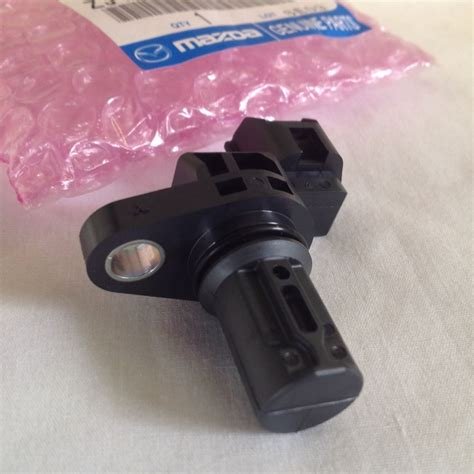
Discover the importance of the camshaft position sensor, common issues, diagnosis, replacement tips, and benefits for optimal engine performance.When it comes to maintaining your beloved Miata, understanding the camshaft position sensor is essential for optimal performance. This small but crucial component plays a significant role in ensuring your engine runs smoothly by accurately monitoring the position of the camshaft. A faulty camshaft position sensor can lead to a myriad of issues, from poor engine performance to troublesome warning lights on your dashboard. In this blog post, we will explore the signs that may indicate a failing sensor, how to diagnose potential problems, and the steps involved in replacing it. Additionally, we’ll discuss the benefits of a properly functioning camshaft position sensor, highlighting how a little preventive maintenance can enhance your driving experience. Whether you’re a seasoned mechanic or a casual enthusiast, understanding this vital part of your Miata’s engine system is key to keeping your car in peak condition.
Understanding the Camshaft Position Sensor
The camshaft position sensor plays a crucial role in the efficient operation of your vehicle’s engine, particularly in models like the Miata. This sensor monitors the position of the camshaft, which is vital for regulating the timing of the engine’s valves. By sending precise data to the engine control unit (ECU), it helps ensure optimal performance.
Here’s a closer look at the key aspects of the camshaft position sensor:
- Function: The main function of the camshaft position sensor is to monitor and relay the exact position of the camshaft. This information is essential for synchronizing the ignition timing and fuel injection.
- Types: There are various types of camshaft position sensors, including variable reluctance sensors, Hall effect sensors, and optical sensors. Each type operates with slight differences but serves the same fundamental purpose.
- Location: In the Miata, the camshaft position sensor is typically located near the camshaft itself. Depending on the model year, it may be found on the front or rear of the engine.
Understanding how the camshaft position sensor works is essential for diagnosing potential engine issues. A malfunctioning sensor can lead to various problems, including poor engine performance, reduced fuel efficiency, and increased emissions.
A well-functioning camshaft position sensor is vital for the health of your engine and overall vehicle performance. – Automotive Expert
By keeping your Miata’s camshaft position sensor in good working order, you ensure that the engine monitors and adjusts performance
Signs of a Faulty Camshaft Position Sensor
The camshaft position sensor plays a crucial role in your vehicle’s engine management system. It monitors the position of the camshaft and relays that information to the engine control unit (ECU). A malfunctioning sensor can lead to significant performance issues. Here are some common signs of a faulty camshaft position sensor:
- Check Engine Light: One of the first indications of a problem is the appearance of the check engine light on your dashboard. If the camshaft position sensor is not functioning correctly, it may trigger fault codes in the ECU.
- Engine Performance Issues: A faulty sensor can cause rough idling, poor acceleration, or a general lack of power. This is because the engine may not be able to adjust the air-fuel mixture appropriately without accurate camshaft position data.
- Stalling Engine: If the sensor fails completely, the engine may stall unexpectedly, especially while driving or idling. This can lead to dangerous situations on the road.
- Difficulty Starting: A malfunctioning camshaft position sensor can result in hard starting or a complete failure to start the engine. If the ECU cannot determine the camshaft position, it may prevent the engine from firing.
- Increased Emissions: Without accurate readings from the camshaft position sensor, the engine might run inefficiently. This can lead to increased exhaust emissions, which is not only harmful to the environment but can also lead to failing emissions tests.
- Unusual Engine Noises: A failing sensor may lead to timing issues, which can produce unusual noises from the engine bay, including backfiring or knocking sounds.
If you notice any of these signs, it’s essential to have your Miata inspected by a professional mechanic to diagnose the issue related to the camshaft position sensor. Addressing these symptoms early can prevent further damage to your engine and ensure smoother performance on the road.
Diagnosing Camshaft Position Sensor Issues
Diagnosing issues with the Camshaft Position Sensor (CPS) can be vital for maintaining your vehicle’s performance, particularly in a Miata. The CPS plays a crucial role in ensuring the engine timing is in sync, which directly impacts fuel efficiency and overall power. Let’s explore the common symptoms and the diagnostic process involved in identifying a faulty CPS.
Common Symptoms of a Faulty Camshaft Position Sensor
- Check Engine Light: One of the first indications of a CPS problem is the illumination of the check engine light on your dashboard.
- Engine Misfires: A faulty sensor may cause the engine to misfire or run rough, particularly at low RPMs.
- Difficulty Starting: If the CPS fails, it may prevent the engine from starting altogether, as the engine’s timing is compromised.
- Decreased Fuel Efficiency: A malfunctioning CPS can disrupt the air-fuel mixture, leading to increased fuel consumption.
- Unusual Engine Sounds: You might also notice knocking or pinging noises from the engine due to timing issues.
Diagnostic Steps for Camshaft Position Sensor
To accurately diagnose a Camshaft Position Sensor issue, follow these steps:
- Check for Error Codes: Utilize an OBD-II scanner to retrieve any fault codes related to the CPS. Read the codes and make notes of them.
- Visual Inspection: Inspect the sensor and its wiring for any obvious signs of damage or corrosion. Look for loose connections or wear and tear.
- Test the Voltage: Use a multimeter to check the voltage at the CPS connector. Ensure it meets the manufacturer’s specifications.
- Monitor the Signal: Using an oscilloscope, observe the signal waveform generated by the CPS. This will help confirm if the sensor is producing the correct signal pattern.
- Check Related Components: Examine other engine components such as the crankshaft position sensor, as a failure in one may often affect the other.
Tools Needed for Diagnosis
| Tool | Description |
|---|---|
| OBD-II Scanner | A device used to retrieve diagnostic trouble codes from the vehicle’s engine. |
| Multimeter | Used to measure voltage, ensuring the CPS is receiving adequate power. |
| Oscilloscope | For detailed analysis of the signal output from the CPS. |
By following these diagnostic steps, car owners can efficiently identify whether their Camshaft Position Sensor requires repair or replacement. Always refer to your vehicle’s service manual for specific procedures and specifications.
Replacing the Camshaft Position Sensor
Replacing the Camshaft Position Sensor in your Miata can seem like a daunting task, but with the right instructions and tools, it can be accomplished with relative ease. The Camshaft Position Sensor plays a critical role in your vehicle’s performance by managing the timing of fuel injection and ignition firing. Here, we will outline the steps required to properly replace this vital component.
Tools You’ll Need
- Socket set
- Ratchet
- Torque wrench
- Flathead screwdriver
- Wire brush
- New camshaft position sensor
- Cleaning solvent
Steps to Replace the Camshaft Position Sensor
- Safety First: Ensure the engine is cool and disconnect the negative battery terminal to prevent any electrical shorts.
- Locate the Camshaft Position Sensor: Refer to the vehicle’s manual to find the exact location of the sensor. In most Miatas, it is located near the camshaft and can be identified by following the wiring harness.
- Remove the Old Sensor: Use your socket set to unbolt the sensor from its mounting bracket. Carefully disconnect the electrical connector by pressing down on the release tab.
- Clean the Area: Use a wire brush and cleaning solvent to remove any debris around the mounting area. This ensures a clean fit for the new sensor and helps prevent contamination.
- Install the New Sensor: Place the new Camshaft Position Sensor in position and secure it with the bolts. Be cautious not to overtighten to avoid damaging the sensor.
- Reconnect the Electrical Connector: Firmly push the electrical connector onto the new sensor until you hear it click into place.
- Reconnect the Battery: Reattach the negative battery terminal and ensure everything is securely in place.
Final Checks
After replacing the Camshaft Position Sensor, start the Miata and listen for any unusual noises. It’s also advisable to check for engine error codes using an OBD-II scanner to confirm that the new sensor is functioning properly.
By following these detailed steps, you can successfully replace your Miata’s Camshaft Position Sensor, enhancing the performance and reliability of your vehicle.
Benefits of a Properly Functioning Sensor
When it comes to the performance of your Mazda Miata, the camshaft position sensor plays a crucial role. This small electronic device is responsible for monitoring the position of the camshaft, which in turn ensures proper timing of the engine’s operations. Having a properly functioning camshaft position sensor offers a multitude of benefits, including:
- Optimized Engine Performance: A functioning sensor provides accurate readings, which helps in fine-tuning the engine timing, leading to better acceleration and power delivery.
- Improved Fuel Efficiency: When the camshaft position sensor is working correctly, it allows for more efficient fuel injection and combustion, resulting in enhanced fuel economy.
- Smoother Idling: A reliable camshaft position sensor leads to stable engine idling, reducing vibrations and ensuring a pleasant driving experience.
- Reduced Emissions: Correct timing and fuel mixture regulated by the sensor contribute to lower emissions, making your Miata more environmentally friendly.
- Prevention of Engine Issues: A functioning sensor helps detect faults before they escalate, allowing for timely repairs and reducing the risk of major engine problems.
In summary, maintaining a well-functioning camshaft position sensor is vital for the overall health of your Miata. Regular inspections and timely replacements can help ensure that your vehicle continues to deliver optimal performance while also protecting your investment.
Frequently Asked Questions
What is a camshaft position sensor?
A camshaft position sensor monitors the position of the camshaft in an engine, helping to manage timing for fuel injection and ignition.
What role does the camshaft position sensor play in a Miata?
In a Miata, the camshaft position sensor ensures the engine’s timing is accurate, which is crucial for optimal performance and efficiency.
How can I tell if my Miata’s camshaft position sensor is failing?
Symptoms of a failing camshaft position sensor include rough engine idle, poor acceleration, engine stalling, and a check engine light.
Is it easy to replace the camshaft position sensor in a Miata?
Replacing the camshaft position sensor can vary in difficulty depending on the Miata model year, but it’s generally considered a manageable task for someone with basic mechanical skills.
Where is the camshaft position sensor located in a Miata?
The location of the camshaft position sensor can differ by model year, but it is usually situated near the camshaft or the cylinder head.
What are the signs that the camshaft position sensor is working properly?
A properly functioning camshaft position sensor will result in smooth engine operation, accurate timing, and the absence of diagnostic trouble codes related to engine timing.
Can I drive my Miata with a faulty camshaft position sensor?
While it may be possible to drive with a faulty camshaft position sensor, it is not recommended as it can lead to decreased engine performance and potential engine damage.